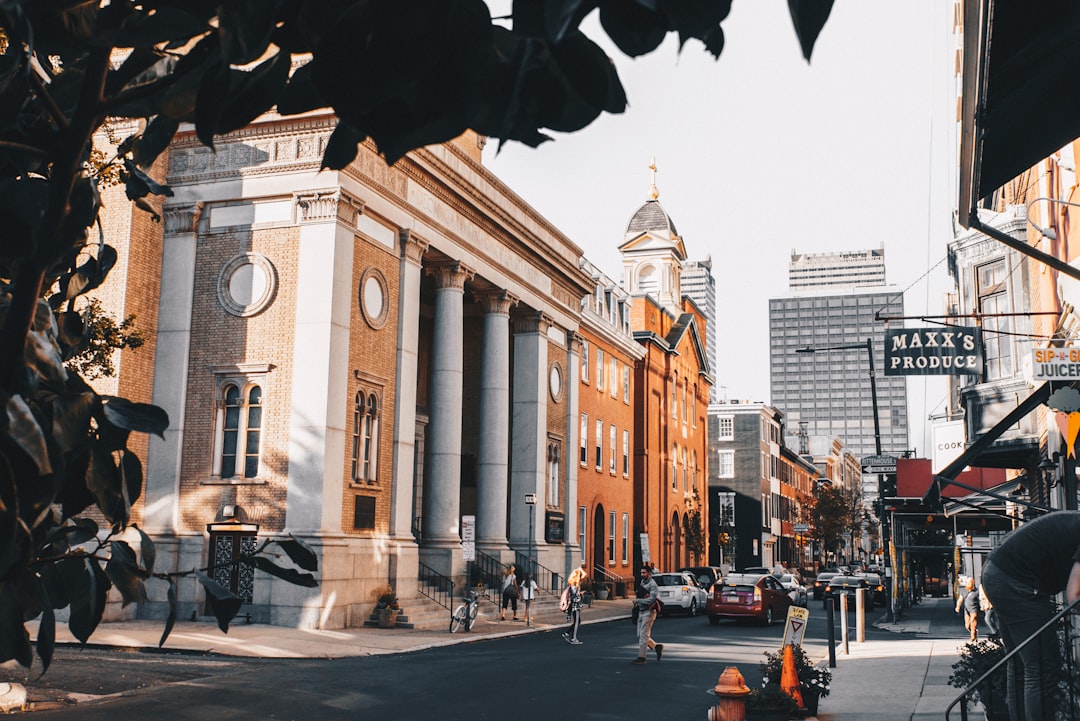
Understanding No-Call Laws in Philadelphia
In the United States, no-call laws are a set of regulations that protect consumers from receiving unsolicited sales or marketing calls. In Philadelphia, as in other cities and states, these laws are designed to give residents more control over their privacy and time by restricting telemarketers and certain robocallers from making calls to numbers on the National Do Not Call Registry. These laws are crucial for consumer protection and have been instrumental in reducing nuisance calls.
The Telemarketing Sales Rule (TSR) was first implemented by the Federal Trade Commission (FTC) in 1995, which set the foundation for no-call laws across the nation. The TSR includes provisions for consumer consent, disclosure requirements, and the Do Not Call Registry. Under this rule, telemarketers are prohibited from calling numbers registered on the National Do Not Call List unless they have obtained prior express written consent from the consumer.
Philadelphia's no-call laws complement these federal regulations by providing additional local protections. For instance, Philadelphia's laws may include specific penalties for violations and may cover entities not covered by federal law, such as charities or political organizations. These laws are significant because they reflect a broader consumer rights movement that seeks to balance the benefits of modern communication technology with the need for individual privacy and autonomy.
Global Impact and Trends
No-call laws have a global impact, as many countries have enacted similar regulations to protect their citizens from invasive telemarketing calls. The European Union's General Data Protection Regulation (GDPR), for example, goes beyond no-call lists by granting comprehensive rights to individuals over their personal data.
Trends in the realm of no-call laws reflect the evolving nature of communication technology. As robocalls and sophisticated scam operations become more prevalent, laws are being updated to address these threats. The rise of caller ID spoofing and other illegal practices necessitates continuous adaptation of legal frameworks to maintain their effectiveness.
Regions with high rates of mobile phone usage may see different trends compared to those with landline predominance. Additionally, cultural attitudes towards marketing calls can influence how no-call laws are enforced and perceived within a community.
Economic Considerations
The economic implications of no-call laws are multifaceted. On one hand, they impose costs on legitimate telemarketing businesses that comply with the regulations, as they must invest in technology and processes to ensure compliance. On the other hand, these laws save consumers billions of dollars by reducing fraudulent calls and unwanted interruptions, thereby improving productivity and consumer satisfaction.
Market dynamics are also affected, as companies must adapt their sales strategies to find alternative, more consent-based methods of communication. Investment patterns in technology that can accurately identify and block illegal or nuisance calls are on the rise, reflecting both the demand for such solutions and the economic opportunities they present.
No-call laws are integral to maintaining trust in markets and ensuring fair competition among businesses. They help to create an environment where consumers feel secure and are more likely to engage in legitimate transactions.
Technological Advancements
Technological advancements have played a pivotal role in the evolution of no-call laws. The development of call authentication systems, such as STIR/SHAKEN, has been a significant step forward. These systems help to verify that a call is indeed from a legitimate source before it reaches the consumer, thereby reducing the number of illegal robocalls.
Artificial intelligence and machine learning are being employed to detect patterns indicative of spam or fraudulent activity. These technologies not only enhance the effectiveness of no-call laws but also contribute to the broader field of cybersecurity.
Future potential includes even more sophisticated solutions that can adapt in real-time to new threats, ensuring continuous protection for consumers against unwanted calls.
Policy and Regulation
The policy landscape surrounding no-call laws is complex, involving federal, state, and local regulations that must be navigated by both consumers and businesses. The FTC's National Do Not Call Registry is a key component of federal regulation, while states like Philadelphia have supplemented these with additional protections.
Legislative frameworks are continuously being updated to address new challenges, such as the rise in spoofing and robocalls. These updates often involve a delicate balance between protecting consumers and not unduly burdening legitimate businesses.
Effective enforcement of no-call laws is crucial for their success. This involves not only legal penalties but also educational campaigns that inform both consumers and businesses of their rights and responsibilities under the law.
Challenges and Criticisms
One of the primary challenges faced by no-call laws is keeping pace with technological advancements made by spammers and scammers. The sophistication of illegal robocalls continues to outpace the regulatory response, leading to criticism that the laws are not effective enough.
Another challenge is ensuring compliance without creating undue hardships for legitimate businesses. Striking the right balance between enforcement and flexibility is a constant effort for policymakers.
Critics also point out that while no-call laws protect against unwanted calls, they do not address all forms of consumer fraud. A holistic approach to consumer protection that includes education and other regulatory measures is necessary to fully address the issue.
Case Study: Philadelphia's Approach
Philadelphia has taken a proactive stance in enforcing its no-call laws, with a dedicated team that investigates violations and imposes penalties when appropriate. The city's approach combines enforcement with public education campaigns to raise awareness about consumers' rights and the importance of compliance with no-call regulations.
Philadelphia's efforts have resulted in significant reductions in the number of illegal calls received by its residents, demonstrating the effectiveness of a comprehensive approach to no-call law enforcement.
Conclusion
No-call laws serve as an important tool in protecting consumers from unwanted and potentially harmful communications. Their evolution reflects both technological advancements and changing consumer attitudes. As new challenges arise, it is clear that ongoing collaboration between policymakers, businesses, and technology providers will be essential to ensure the effectiveness of these laws.
In Philadelphia, the commitment to enforcing no-call laws and educating consumers stands as a model for other cities and regions looking to safeguard their residents' privacy and security. The lessons learned from Philadelphia's approach can inform broader discussions on how best to implement and enforce such regulations in a dynamic and interconnected world.